Diverse Line Icons: A Visual Design Essential
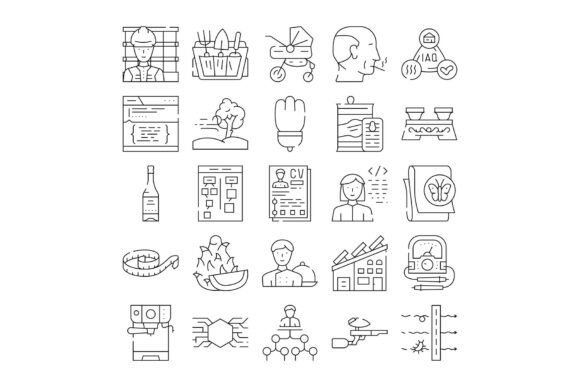
When it comes to modern design, visual clarity and versatility are key. Diverse Line Icons Representing Objects delivers both, offering a curated collection of outline vector icons that span a wide range of themes—from food and nature to technology and abstract concepts. These icons are designed with clean lines, minimal detail, and a consistent visual rhythm that makes them ideal for a variety of design contexts.
Visual Style and Personality
The appeal of Diverse Line Icons lies in their simplicity and adaptability. Each icon is crafted with a minimalist aesthetic, using thin, continuous strokes to define familiar shapes and abstract ideas. This approach gives the set a modern, clean personality that works well in both digital and print environments.
Unlike heavily stylized or ornate icon sets, these line icons avoid visual clutter. They’re designed to communicate quickly and clearly, making them especially useful in user interfaces, infographics, and branding materials where clarity is essential. Whether you're designing a mobile app, a product label, or a presentation slide, these icons blend into the background while still enhancing the overall visual message.
Where Diverse Line Icons Excel
One of the standout features of this icon set is its flexibility across different design disciplines. Here are a few areas where Diverse Line Icons truly shine:
- Web and App Design: The clean, scalable nature of these icons makes them perfect for UI elements, navigation menus, and feature highlights.
- Brand Identity: When building a brand system, having a consistent visual language is crucial. These icons can be used across logos, social media graphics, and marketing materials to reinforce brand recognition.
- Packaging Design: Whether it's a food product or a tech accessory, line icons help convey product features and benefits in a visually appealing way.
- Editorial Design: From magazines to annual reports, these icons help organize information and guide the reader’s eye through complex layouts.
- Social Media Graphics: Icons are a fast and effective way to add visual interest to posts, stories, and promotional banners without overwhelming the message.
Design Impact and Practical Benefits
Icons are more than just decorative elements—they play a critical role in how users interact with content. Diverse Line Icons help establish visual hierarchy by drawing attention to key actions or information points. Their uniform style contributes to a sense of professionalism and consistency, which in turn enhances audience trust and engagement.
In branding and marketing contexts, using a cohesive set like this can strengthen brand perception. When icons are used consistently across different platforms, they become part of the brand’s visual vocabulary. This kind of visual consistency helps audiences quickly recognize and relate to your brand, whether they're browsing a website, flipping through a catalog, or scrolling through a social media feed.
From a usability standpoint, line icons also support better readability. Because they're simple and unobtrusive, they don’t compete with text or other visual elements. Instead, they work in harmony with the overall design to make information more digestible and intuitive.
Choosing and Using the Icon Set
When selecting icons for a project, it’s important to consider not only style but also practicality. Here are some tips for getting the most out of Diverse Line Icons:
- Match the Visual Tone: These icons have a modern, minimalist character. They pair well with sans serif fonts and clean layouts. If your project has a more vintage or ornate feel, consider supplementing with complementary design assets.
- Test Across Sizes: While line icons scale well, very small sizes can sometimes cause fine details to disappear. Always preview icons at their intended display size to ensure legibility.
- Review Included Styles: Make sure the icon set includes all the symbols you need. Some sets may lack certain niche icons, which could require you to source alternatives elsewhere.
- Check Licensing: If you're using these icons for a commercial project, verify that the licensing covers your intended use. Many premium icon sets offer both personal and commercial licenses, but it’s always best to confirm before use.
- Pair Thoughtfully: While these icons are designed to stand alone, they often work best when paired with other design elements that share a similar visual language. For example, pairing them with a modern sans serif font or geometric shapes can enhance cohesion.
Real-World Applications and Recommendations
Designers working on brand identity projects often use Diverse Line Icons to create cohesive visual systems across digital and print touchpoints. For example, a wellness brand might use nature-themed icons across their app, packaging, and website to reinforce a theme of health and sustainability.
In web design, these icons are frequently used in navigation bars and feature sections. A tech startup might use science and technology icons to visually represent different service offerings, helping users quickly scan and understand the site’s content.
For social media graphics, line icons add a touch of professionalism without being distracting. A lifestyle blogger might use food and nature icons to categorize posts or highlight key themes in Instagram stories.
If you're new to working with icon sets, start by using them sparingly. Incorporate one or two icons per layout to see how they affect the overall design. As you become more comfortable, you can explore more complex arrangements and combinations.
Final Thoughts
Diverse Line Icons Representing Objects isn’t just another icon collection—it’s a versatile design tool that supports clarity, consistency, and creativity. Whether you're building a brand identity, designing a mobile app, or crafting editorial layouts, these icons offer a subtle yet powerful way to enhance your visual communication.
By focusing on simplicity, scalability, and real-world usability, this icon set helps you deliver polished, professional results without overcomplicating your design process. And in today’s fast-paced digital landscape, that kind of efficiency is invaluable.