Enhancing Web and App Design with a Comprehensive Business Concept Interface Collection
As digital design continues to evolve, the demand for cohesive, scalable, and visually engaging user interfaces has never been higher. Whether you're designing a mobile app, a SaaS dashboard, or a corporate website, having access to a Collection of Business Concept Interface can make a significant difference in both the efficiency of your workflow and the quality of your final product.
What Makes a Strong Business Concept Interface?
A well-designed business concept interface is more than just a set of buttons and menus. It's a visual language that communicates functionality, guides user interaction, and enhances the overall experience. The best interface collections include a variety of elements—buttons, icons, form fields, navigation bars, and more—that work together seamlessly across different platforms and screen sizes.
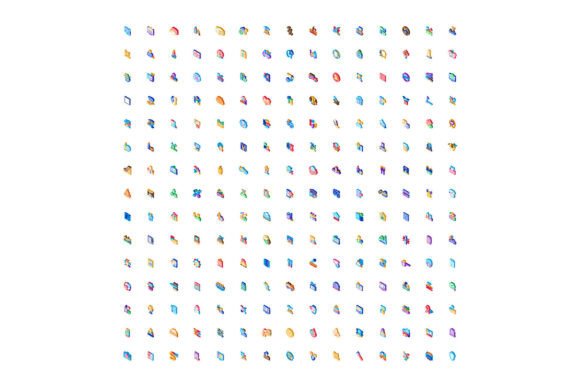
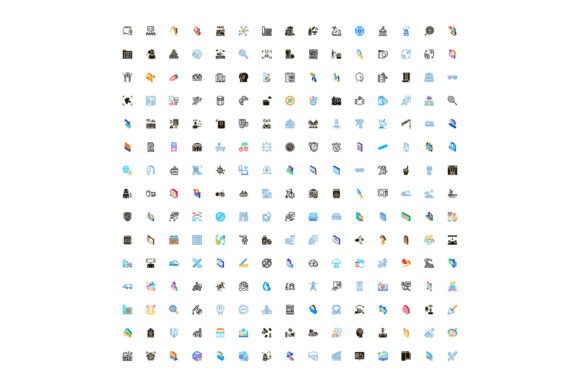
These interface kits often include both flat and isometric designs, allowing designers to choose between minimalist or more dimensional aesthetics depending on the project's tone and target audience. A large collection of diverse flat and isometric icons gives you the flexibility to mix and match components without sacrificing consistency.
Why Icon Diversity Matters in Modern UI Design
Icons are more than decorative elements—they are critical tools for communication. In a world where users expect intuitive navigation and instant recognition of features, icons serve as visual shortcuts. A robust Collection of Business Concept Interface should include a wide range of icons representing technology, communication, finance, logistics, and other universal business functions.
- Flat icons offer a clean, modern look ideal for minimalist interfaces.
- Isometric icons add depth and personality, making them perfect for onboarding screens, illustrations, or marketing visuals.
Having both types available ensures you can adapt your design to different contexts without needing to source from multiple libraries. This not only saves time but also helps maintain a consistent visual identity throughout the application or website.
How These Elements Fit into Real-World Projects
Let’s imagine you're building a productivity app for remote teams. You'll need icons that represent video calls, file sharing, task management, and calendar integration. With a large collection of diverse flat and isometric icons, you can quickly find and implement these visuals without needing to create them from scratch.
Similarly, when designing a financial dashboard, you'll want to use icons that clearly represent data, trends, budgets, and transactions. A well-organized Collection of Business Concept Interface allows you to select icons and UI elements that align with industry standards, ensuring your users can navigate your app intuitively.
Benefits of Using a Pre-Built Interface Collection
Designing every element from scratch is time-consuming and inefficient. Using a pre-built collection brings several key advantages:
- Speed: Access to ready-made components accelerates your design process, letting you focus more on user experience and less on visual details.
- Consistency: All icons and interface elements are designed with the same style and grid system, ensuring visual harmony across your project.
- Scalability: Vector-based icons and UI kits can be resized without quality loss, making them ideal for responsive design.
- Cost-Effectiveness: Investing in a high-quality collection can reduce the need for custom design work, especially for startups and small teams.
Choosing the Right Collection for Your Needs
When selecting a Collection of Business Concept Interface, consider the following factors:
- Customizability: Can you easily recolor, resize, or modify elements to suit your brand guidelines?
- File Formats: Look for collections that offer SVG, PNG, and vector formats for maximum flexibility.
- Licensing: Ensure the collection allows for commercial use if you're working on a client or product-based project.
- Update Frequency: A regularly updated library ensures you stay current with design trends and usability standards.
Many modern interface collections are designed with Figma, Sketch, or Adobe XD compatibility in mind, which makes them easy to integrate directly into your existing design workflow.
Integrating Icons and UI Elements Across Industries
From healthcare to e-commerce, a versatile Collection of Business Concept Interface supports a wide range of industries. For example:
- In e-learning platforms, icons representing courses, progress bars, and quizzes help users navigate content more efficiently.
- In health tech apps, icons for appointments, prescriptions, and telehealth services must be instantly recognizable for usability and accessibility.
- In retail apps, shopping carts, wishlists, and payment icons need to be clear and consistent to reduce friction during checkout.
Having a broad selection of icons and interface elements ensures that you can tailor your design to meet the specific needs of your industry while maintaining a professional and polished look.
Designing for Accessibility and Inclusivity
Modern design isn't just about aesthetics—it's also about accessibility. When choosing icons and interface elements, ensure they meet accessibility standards such as sufficient color contrast and descriptive labeling for screen readers. A good Collection of Business Concept Interface should include best practices or guidelines for accessible design.
For example, using universally recognized symbols (like a magnifying glass for search or a house for home) helps users with cognitive disabilities better understand your interface. Additionally, isometric icons can be used to create more engaging and inclusive educational or onboarding content for diverse audiences.
Final Thoughts: Building Better Experiences with the Right Tools
In today’s fast-paced digital landscape, having a reliable Collection of Business Concept Interface at your disposal is more than a convenience—it's a necessity. Whether you're a solo designer or part of a large development team, these tools help streamline your workflow, maintain design consistency, and ultimately deliver better user experiences.
By leveraging a large collection of diverse flat and isometric icons, you’re not only saving time but also ensuring your designs are adaptable, scalable, and visually aligned with modern expectations. As design trends continue to evolve, investing in a comprehensive interface collection is a smart move that pays off in both efficiency and impact.