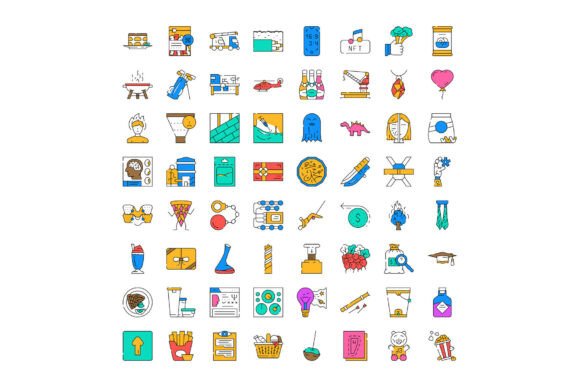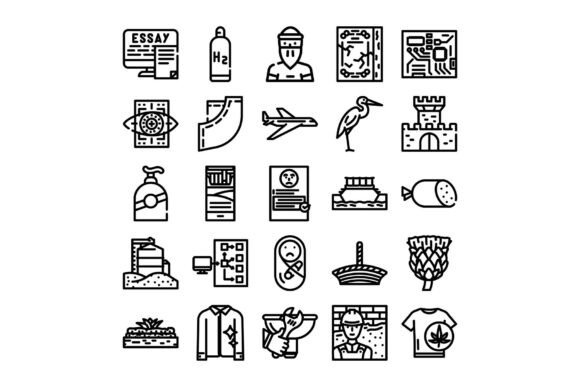
Outline Icons for Diverse Categories
What Are Outline Icons Representing Various Diver?
Outline icons representing various diver categories are minimalist, line-based illustrations used to visually represent concepts across different fields. These icons typically cover a wide range of topics, including technology, education, transportation, health, industry, and lifestyle. Their clean, scalable design makes them ideal for digital interfaces like websites and mobile apps. Whether you're building a dashboard, a mobile interface, or a presentation, these icons help convey meaning quickly and clearly.
Why Visual Clarity Matters Across Industries
Icons simplify communication. In a world flooded with information, visual cues help users navigate content more efficiently. For example, a health-related app might use an outline icon of a heart to represent wellness features, while a transportation app could use a bus icon to indicate route planning. These icons are not just decorative—they serve a functional purpose by improving user experience and accessibility.
How Different Audiences Benefit from Outline Icons
Depending on your background and goals, the value of outline icons can vary significantly. Here's how different groups might approach and use them:
Beginners and Hobbyists
For those new to design or app development, outline icons offer an easy way to enhance visual appeal without requiring advanced skills. They’re often available in pre-made sets, which means users can drag and drop them into projects with minimal effort. Beginners might prioritize ease of use and clarity, looking for icons that are intuitive and easy to customize.
For example, a hobbyist creating a personal blog about travel might use outline icons for destinations, maps, and accommodations to make the site more engaging and easier to navigate.
Designers and Developers
Professionals in the design and development space often look for icons that are flexible, scalable, and compatible with modern frameworks. SVG (Scalable Vector Graphics) format is especially popular because it maintains quality at any size and allows for easy color adjustments through code.
An experienced web designer working on a SaaS (Software as a Service) platform might use technology-themed outline icons to illustrate different features. They might also evaluate icon sets based on how well they integrate with design tools like Figma or Sketch, and whether they support responsive design principles.
Educators and Content Creators
Educators often use icons to make learning materials more digestible. Whether designing a slide deck for a classroom or creating a tutorial video, outline icons can help highlight key points and improve information retention.
For instance, a teacher developing a digital course on environmental science might use outline icons for recycling, water conservation, and renewable energy to reinforce visual learning. These icons help break up dense text and make content more engaging for students of all ages.
Entrepreneurs and Small Business Owners
Business owners, especially those launching a new brand or website, often rely on outline icons to build a consistent visual identity. Icons help communicate services or values quickly, which is essential for landing pages, mobile apps, or social media graphics.
A small business owner creating a local delivery app might use transportation and logistics-themed outline icons to guide users through the ordering process. They might also consider the cost of icon sets, looking for affordable or open-source options that still maintain a professional appearance.
Key Considerations When Choosing Icon Sets
Not all icon sets are created equal. Depending on your needs, you may prioritize certain qualities over others:
- Quality: High-quality icons have clean lines, consistent stroke widths, and balanced proportions.
- Flexibility: Can the icons be resized without distortion? Can they be recolored to match your brand palette?
- Cost: Some icon sets are free, while others require a license. Consider whether you need commercial rights for your project.
- Relevance: Does the set include icons for your specific industry or use case?
- Learning Value: For beginners, some icon libraries come with tutorials or usage guidelines that can help with skill development.
Practical Tips for Evaluating Icon Sets
- Preview Before You Commit: Many platforms allow you to download a sample set before purchasing the full library.
- Check for Updates: Look for icon sets that receive regular updates to ensure long-term usability.
- Read User Reviews: See how others in your field have used the icons and what they recommend.
- Test Across Devices: Make sure the icons look good on both desktop and mobile screens.
Matching Icon Use to Your Goals
Before selecting an icon set, ask yourself a few key questions:
- What is the primary purpose of my project?
- Who is my target audience?
- Do I need icons that are simple, detailed, or thematic?
- Will I need to update or expand the icon set in the future?
If you're a blogger focusing on personal finance, for example, you might choose outline icons related to budgeting, investing, and savings. On the other hand, a tech startup launching a new API might lean toward icons that represent data flow, cloud computing, and integration.
Where to Find High-Quality Outline Icons
There are many platforms offering outline icons, both free and paid. Some popular options include:
- Flaticon – A large library with both free and premium icons.
- IconArchive – Offers categorized collections across many themes.
- Material Design Icons – A comprehensive set by Google, ideal for tech and mobile interfaces.
- The Noun Project – Known for its symbolic, minimalist style and wide variety of topics.
When exploring these platforms, look for filters that let you search by category, format, and licensing type to find the best fit for your needs.
Conclusion: Are Outline Icons Right for You?
Whether you're a designer, educator, developer, or business owner, outline icons representing various diver categories can be a powerful tool in your visual toolkit. They help simplify complex ideas, improve navigation, and create a more engaging user experience. By choosing the right set for your specific needs—whether that means prioritizing ease of use, cost, or scalability—you can enhance your digital projects with clarity and professionalism.
Take time to explore different icon libraries, test them in your designs, and see how they align with your goals. With the right icons, your content becomes more intuitive, more visually appealing, and ultimately more effective at communicating your message.