Understanding Diverse Isometric Flat Vector Icons Coll: A Practical Resource for Modern Design
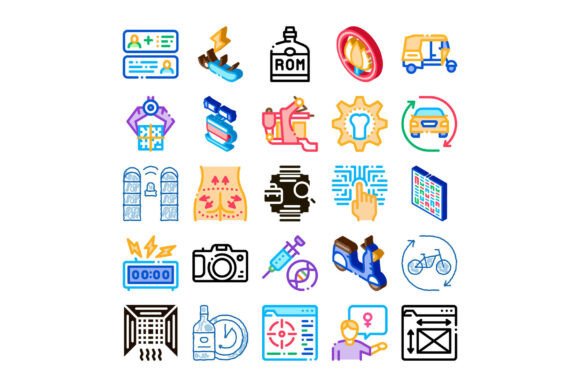
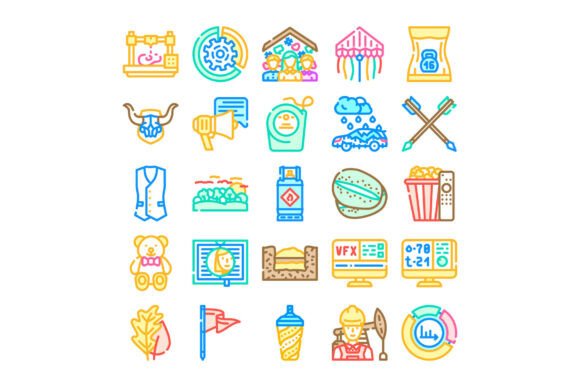
Designers working on web and app interfaces often seek visual assets that are both versatile and visually cohesive. The Diverse Isometric Flat Vector Icons Coll offers a solution by providing a comprehensive set of isometric flat vector icons that span a wide range of themes, industries, and use cases. Unlike traditional icon sets that may focus on a single visual style or niche subject, this collection is intentionally broad, aiming to support designers who need a unified visual language across varied content areas.
What Sets Diverse Isometric Flat Vector Icons Coll Apart?
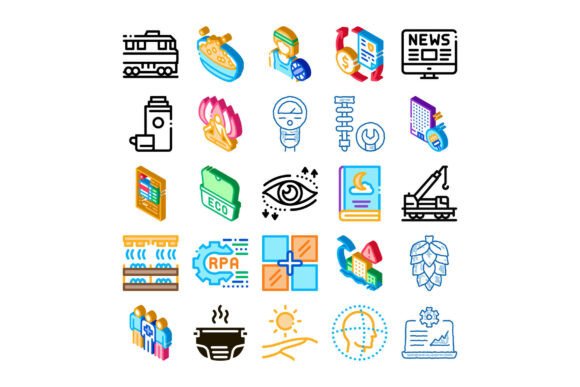
At its core, the Diverse Isometric Flat Vector Icons Coll stands out due to its combination of isometric perspective and flat design principles. This hybrid approach allows for depth and dimension without the complexity of full 3D rendering. The icons are scalable, editable, and maintain clarity at any size—key advantages for responsive design environments.
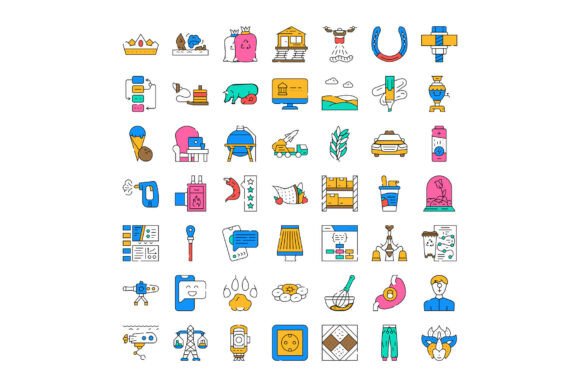
The collection includes icons representing technology, education, healthcare, transportation, and many other domains. This breadth makes it especially useful for projects requiring visual representation across multiple sectors, such as dashboards, infographics, or multi-industry SaaS platforms.
Comparing Design Styles and Icon Formats
When evaluating icon resources, it’s important to understand the tradeoffs between design styles. Flat icons are known for their minimalism and clean lines, making them ideal for modern UIs that prioritize clarity. Isometric icons add a subtle sense of space and depth, which can enhance visual storytelling without overwhelming the interface.
Compared to fully 3D icons, isometric flat vector icons are typically lighter in file size and easier to integrate into vector-based workflows. They also tend to be more adaptable across different screen sizes and resolutions, which is crucial for mobile-first design strategies.
Strengths and Limitations of Isometric Flat Icons
One of the main strengths of the Diverse Isometric Flat Vector Icons Coll is its versatility. Designers can mix and match icons from different themes without worrying about clashing visual styles. Because they are vector-based, they can be resized and recolored without loss of quality, offering flexibility in branding and UI customization.
- Scalable without quality loss
- Consistent visual language across themes
- Lightweight files suitable for web and mobile
- Easy to customize in vector editing tools
However, like any design resource, this collection has its limitations. For projects requiring hyper-realistic visuals or highly stylized aesthetics, isometric flat icons may feel too neutral or generic. Additionally, while the collection is broad, it may not include every niche icon a designer needs, requiring some custom creation or supplementation.
Use Cases Where This Collection Excels
This collection shines in environments where clarity, consistency, and scalability are more important than visual flair. Examples include:
- Dashboard interfaces – where icons help categorize data points across multiple sectors.
- E-learning platforms – needing icons for a variety of subjects and activities.
- Multi-industry SaaS applications – where a single icon set must represent diverse services.
- Mobile app navigation – where legibility and simplicity improve usability.
In these contexts, the Diverse Isometric Flat Vector Icons Coll provides a balanced visual tone that supports functionality without distracting from content.
How It Stacks Up Against Alternatives
When comparing icon resources, several alternatives may come into play depending on the project’s needs. For example, minimalist flat icon sets are often more limited in thematic range but may offer a tighter visual cohesion. On the other hand, fully illustrated or pictographic icon sets provide more visual richness but can be harder to scale and integrate consistently.
Isometric flat vector icons strike a middle ground, offering enough depth to be engaging while remaining simple enough for efficient use in digital interfaces. They are particularly well-suited for designers who want to avoid the complexity of 3D modeling but still desire a sense of spatial realism.
Decision Factors to Consider
Choosing the right icon set involves more than just visual appeal. Here are several factors to weigh when considering the Diverse Isometric Flat Vector Icons Coll:
- Thematic coverage – Does the collection include icons relevant to your target industries or concepts?
- Customization potential – Are the icons easy to edit in vector software like Adobe Illustrator or Figma?
- Consistency – Do the icons maintain a unified style across different themes?
- Licensing – Is the collection available under a license that supports your intended use, including commercial applications?
- File formats – Are SVG, EPS, or other vector formats included for scalability?
Designers should also consider how well the icons integrate with existing design systems or brand guidelines. In some cases, a smaller, more focused icon set may be preferable if the project has a narrow scope or a very specific visual tone.
When to Choose This Collection — and When to Look Elsewhere
The Diverse Isometric Flat Vector Icons Coll is an excellent choice for teams and individuals who need a flexible, professionally designed icon library that spans multiple industries and concepts. It works well in data-heavy interfaces, educational tools, and cross-functional platforms where visual clarity and consistency matter most.
However, if your project demands highly stylized graphics, photorealistic visuals, or a very niche iconography style, you may need to explore other options. Similarly, if your design system already has a well-defined visual language that doesn’t align with isometric flat design, integrating this collection might require additional adaptation.
Realistic Examples of Effective Use
Consider a healthcare analytics dashboard that displays data across patient care, logistics, and finance. Using the Diverse Isometric Flat Vector Icons Coll, a designer can maintain a consistent visual language while clearly distinguishing between different data categories. Icons for hospitals, delivery trucks, and financial reports can coexist without visual conflict.
Another example is a productivity app that integrates task management, calendar features, and team collaboration tools. The collection’s wide range of work-related icons helps users quickly identify features and navigate the interface, all while maintaining a modern, clean aesthetic.
Making an Informed Choice
Ultimately, the decision to use the Diverse Isometric Flat Vector Icons Coll depends on your project’s scope, design goals, and technical requirements. It's a well-rounded option for those who value flexibility, scalability, and a professional visual tone across a broad range of topics. However, like any design asset, it should be evaluated within the context of your specific needs and constraints.
By understanding the strengths and limitations of this collection, and how it compares to other icon styles and formats, you can make a more informed decision that supports both your design workflow and user experience goals.