Unlocking Creativity with Isometric Digital Symbols: A Game-Changer for Modern Designers
What Are Isometric Digital Symbols?
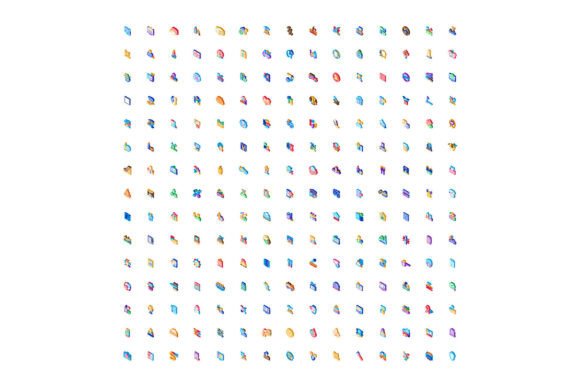
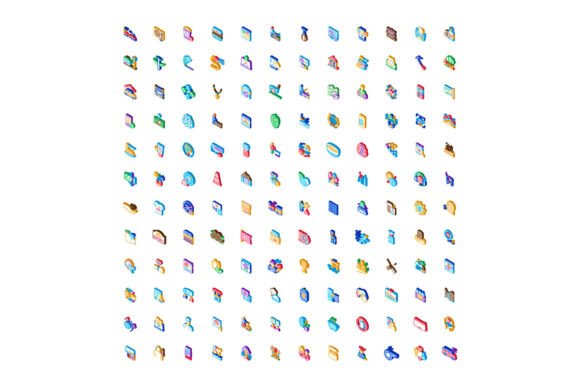
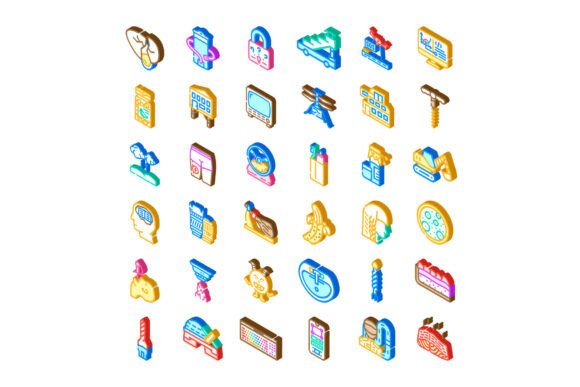
The Collection of Isometric Digital Symbols represents a dynamic and versatile set of design assets that are reshaping how creators approach visual communication. These symbols are isometric illustrations—3D-like graphics rendered in a 2D format—offering a clean, modern, and scalable way to represent objects, concepts, and interface elements. From digital dashboards to mobile apps and UI/UX design, these icons serve as foundational tools for building visually engaging and intuitive user experiences.
Each symbol is carefully crafted to maintain a consistent visual language, making it easier for designers to integrate them across various platforms and design systems. Whether you're designing a SaaS interface, a marketing landing page, or a mobile game, the Isometric collection of colorful 3D icons and symbols provides a flexible foundation that supports both aesthetic appeal and functional clarity.
Why Isometric Symbols Are Gaining Traction in Modern Design
In today's fast-paced digital landscape, designers and developers are constantly seeking tools that streamline workflows while maintaining high visual standards. The Collection of Isometric Digital Symbols meets this demand by offering a scalable, adaptable, and aesthetically pleasing alternative to traditional flat icons or complex 3D renderings.
One of the key reasons for their rising popularity is the growing emphasis on visual storytelling in web and app design. Users are more likely to engage with interfaces that are not only functional but also emotionally resonant. Isometric icons add depth and personality to interfaces without overwhelming the user, striking a balance between realism and abstraction that feels both modern and approachable.
Aligning with Broader Design and Technology Trends
The rise of isometric design coincides with broader shifts in the creative and tech industries. As businesses increasingly prioritize user experience (UX) and digital engagement, the demand for high-quality, scalable design assets has never been higher. The Isometric collection of colorful 3D icons and symbols fits seamlessly into this environment, supporting trends such as:
- Minimalist yet expressive interfaces: Designers are opting for clean layouts that still convey depth and interactivity. Isometric symbols offer a three-dimensional feel without cluttering the screen.
- Design system scalability: Companies are building comprehensive design systems that can be reused across products. Isometric icons provide a consistent visual language that scales well across platforms and screen sizes.
- Remote collaboration tools: With the growth of remote work and digital collaboration, interfaces that clearly represent tools, functions, and concepts are essential. Isometric symbols help convey meaning quickly and intuitively.
Meeting Evolving Creative and Business Needs
As user expectations evolve, so too do the tools and techniques designers use to meet them. The Collection of Isometric Digital Symbols addresses several key shifts in professional design practices:
1. Faster Prototyping and Development
In agile development environments, speed and efficiency are critical. Pre-designed isometric icons can be quickly integrated into wireframes, mockups, and prototypes, reducing the time needed to create high-fidelity visuals. This allows designers to focus more on interaction design and user flow rather than spending hours creating or sourcing individual assets.
2. Enhanced Visual Communication
Visual communication is more than just aesthetics—it's about conveying meaning and guiding user behavior. The Isometric collection of colorful 3D icons and symbols helps simplify complex ideas by offering intuitive, visually rich representations of actions, features, and data points. For example, a dashboard might use isometric icons to represent cloud storage, analytics, or customer support, making the interface more accessible at a glance.
3. Consistency Across Platforms
With the rise of multi-platform applications and cross-device experiences, maintaining visual consistency is essential. The modular nature of isometric symbols makes it easier to maintain a cohesive brand identity across websites, mobile apps, presentations, and even print materials. This consistency enhances brand recognition and user trust.
Practical Applications Across Industries
The versatility of the Collection of Isometric Digital Symbols makes them applicable across a wide range of industries and use cases. Here are just a few examples of how different sectors are leveraging these assets:
1. Technology and SaaS
Software-as-a-Service (SaaS) platforms often require intuitive interfaces that help users understand complex tools and workflows. Isometric icons are used to represent features like file management, automation, collaboration, and security, making dashboards and settings menus more user-friendly.
2. E-commerce and Retail
Online retailers are using isometric design to enhance product pages, shopping carts, and checkout flows. For instance, an isometric icon of a delivery truck can be used to indicate shipping status, while a shopping bag icon might represent the cart interface. These visuals help guide users through the purchasing process with minimal friction.
3. Education and E-learning
In the education sector, isometric icons are used to represent courses, progress tracking, and interactive elements in e-learning platforms. Their engaging visual style helps keep learners motivated and makes educational content feel more approachable and interactive.
4. Healthcare and Wellness
Healthcare apps and wellness platforms are increasingly adopting isometric design to simplify complex medical information. Icons representing heart rate, sleep cycles, medication, and mental health can be presented in a visually appealing way that encourages user engagement and understanding.
Why Designers Are Paying Attention Now
The growing popularity of the Isometric collection of colorful 3D icons and symbols is not just a passing trend—it reflects deeper changes in how we interact with digital content. Several factors are contributing to this shift:
- Increased demand for visual clarity: As digital products become more complex, users expect interfaces that are easy to understand at a glance. Isometric icons provide a level of depth and context that enhances comprehension.
- Higher expectations for mobile-first design: With more users accessing services via smartphones and tablets, designers must ensure icons are legible and recognizable on smaller screens. The clarity and scalability of isometric symbols make them ideal for mobile interfaces.
- Integration with design tools: Modern design platforms like Figma, Sketch, and Adobe XD support isometric assets natively, allowing designers to import and customize icons with ease. This seamless integration makes it simpler to adopt and adapt these symbols in real-world projects.
Looking Ahead: The Future of Isometric Design
As technology continues to evolve, so too will the ways we use visual design to communicate and engage. The Collection of Isometric Digital Symbols is positioned to play a key role in shaping the next generation of digital experiences. With the rise of AI-driven design tools, customizable icon libraries, and immersive interfaces, isometric design is likely to become even more integrated into everyday digital interactions.
Moreover, as accessibility becomes a central concern in UX design, isometric icons offer a promising solution for creating inclusive interfaces. Their ability to convey meaning through visual cues—without relying solely on text—makes them particularly useful for global audiences and users with varying levels of digital literacy.
Conclusion: A Valuable Asset for Today’s Creative Professionals
In an era where speed, clarity, and visual appeal are paramount, the Collection of Isometric Digital Symbols offers a powerful solution for designers across industries. Whether you're building a new app, redesigning a website, or crafting a presentation, these symbols provide a versatile and scalable way to enhance your work.
By aligning with current design trends, supporting evolving user expectations, and enabling more intuitive communication, isometric icons are more than just a design choice—they're a strategic asset for modern creators, entrepreneurs, and marketers. As the digital landscape continues to evolve, those who embrace this innovative approach will be better positioned to deliver engaging, user-centric experiences that stand out in a crowded marketplace.