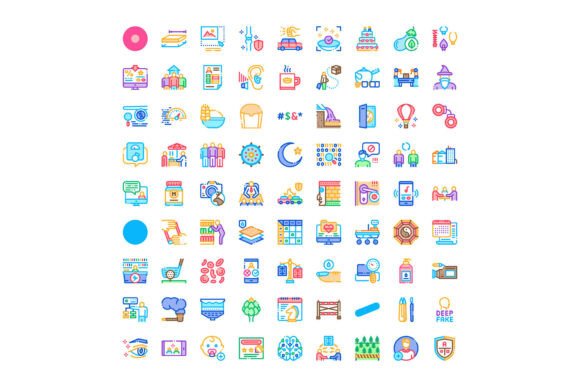
Unlocking Creativity with the Diverse Collection of Colorful Conceptual Icons
In today’s visually driven digital landscape, the right visual elements can make or break a user experience. One such element gaining traction among designers, developers, and marketers alike is the Diverse Collection of Colorful Conceptual Icons. This modern set of flat, linear icon designs uses vibrant colors and conceptual illustrations to represent a wide array of ideas, tools, and functions. More than just aesthetic enhancements, these icons serve as intuitive visual cues that streamline communication across web interfaces, mobile applications, and infographic kits.
What Is the Diverse Collection of Colorful Conceptual Icons?
The Diverse Collection of Colorful Conceptual Icons is a curated set of scalable vector graphics designed to represent abstract and concrete ideas in a visually engaging manner. Unlike traditional icon sets that focus solely on functional symbols like "home" or "settings," this collection emphasizes conceptual clarity. Each icon is crafted to reflect a broader idea—such as collaboration, innovation, sustainability, or digital transformation—while maintaining a cohesive visual language.
These icons are typically rendered in a flat linear style, which means they lack shadows, gradients, or complex textures. This minimalist approach ensures clarity and adaptability across different screen sizes and resolutions. The use of bright, saturated colors adds a modern and energetic feel, making them ideal for brands and platforms that want to convey positivity, creativity, and forward-thinking design.
Why Conceptual Icons Are Gaining Popularity
The rise of conceptual icons reflects broader shifts in how digital content is consumed and understood. As users become more visually literate and expect faster, more intuitive interactions, the demand for clear, expressive visual language has grown. The Diverse Collection of Colorful Conceptual Icons meets this demand by offering a versatile toolkit that bridges the gap between form and function.
Here are a few reasons why these icons are resonating with professionals across industries:
- Enhanced Visual Communication: In a world where attention spans are short, icons that convey meaning at a glance are invaluable. Conceptual icons allow designers to communicate complex ideas quickly and effectively.
- Consistency Across Platforms: With a unified design language, these icons ensure a consistent brand experience across websites, apps, and marketing materials.
- Scalability and Responsiveness: As vector-based graphics, they scale seamlessly without losing quality, making them ideal for responsive design and high-resolution displays.
- Brand Personality Expression: The use of bold colors and unique visual metaphors allows brands to express their personality while maintaining professionalism.
Meeting the Evolving Needs of Designers and Businesses
The Diverse Collection of Colorful Conceptual Icons isn’t just a design trend—it’s a response to evolving creative and business needs. As digital products and services become more complex, so too do the expectations of users. Modern audiences demand intuitive interfaces, accessible content, and emotionally resonant visuals.
For designers and developers, this means moving beyond functional minimalism and embracing a more expressive, user-centered approach. Conceptual icons help achieve this by:
- Reducing Cognitive Load: Users can process visual information faster than text. Conceptual icons offer a visual shorthand that makes navigation and comprehension easier.
- Supporting Multilingual Audiences: Icons transcend language barriers, making them essential for global brands and platforms serving diverse audiences.
- Facilitating Agile Design Workflows: Pre-designed icon sets save time and streamline the design process, allowing teams to focus on innovation rather than reinventing visual elements.
- Aligning with Brand Narratives: Conceptual icons can be curated to align with a brand’s messaging, values, and mission, reinforcing a cohesive identity.
Practical Applications Across Industries
The versatility of the Diverse Collection of Colorful Conceptual Icons makes them applicable across a wide range of use cases and industries. Here are a few examples of how different sectors are leveraging this resource:
1. Technology and SaaS Platforms
Software-as-a-Service (SaaS) companies often use conceptual icons to illustrate features, benefits, and user journeys. For instance, an icon representing “automation” or “analytics” can be more expressive than a generic gear or chart symbol. This helps users understand complex tools at a glance and enhances the overall user experience.
2. E-Learning and EdTech
In educational platforms, icons play a crucial role in guiding users through content. Conceptual icons can represent learning paths, course types, or interactive elements. A bright, engaging icon for “interactive quiz” or “video lesson” can significantly improve learner engagement and retention.
3. Health and Wellness Apps
Wellness platforms often use icons to represent mental health, fitness routines, and nutrition plans. The Diverse Collection of Colorful Conceptual Icons offers a wide array of health-related visuals that are both informative and emotionally supportive, helping users feel motivated and understood.
4. Marketing and Content Platforms
Content marketers and social media managers use icons to enhance blog posts, infographics, and promotional materials. Conceptual icons add visual interest and help structure information in a way that’s easy to digest, especially on social media where visuals dominate user feeds.
How Conceptual Icons Fit Into Larger Design Trends
The growing popularity of the Diverse Collection of Colorful Conceptual Icons aligns with several broader trends in design and digital communication:
- Human-Centered Design: There’s a growing emphasis on creating digital experiences that resonate emotionally with users. Conceptual icons contribute to this by offering visuals that are relatable and meaningful.
- Design Systems and Component Libraries: As companies adopt design systems to maintain consistency across products, icon libraries like this one become essential building blocks.
- Accessibility and Inclusivity: Well-designed icons can improve accessibility by providing visual cues that support users with different learning styles or cognitive needs.
- Mobile-First Design: With mobile usage surpassing desktop, icons need to be clear and recognizable on smaller screens. The simplicity and clarity of conceptual icons make them ideal for mobile interfaces.
Choosing the Right Icons for Your Project
When selecting icons from the Diverse Collection of Colorful Conceptual Icons, it’s important to consider both functionality and aesthetics. Here are a few tips to help you make informed choices:
- Match the Tone: Choose icons that reflect your brand voice—whether it’s playful, professional, or inspirational.
- Ensure Consistency: Stick to a unified style and color palette to maintain visual harmony across your interface or content.
- Test for Clarity: Icon meaning should be intuitive. Conduct user testing to ensure your chosen visuals are easily understood.
- Optimize for Performance: Use optimized SVG files to ensure fast load times and smooth rendering across devices.
Conclusion: A Visual Language for the Modern Web
The Diverse Collection of Colorful Conceptual Icons represents more than just a design asset—it’s a reflection of how digital communication is evolving. As users demand more intuitive, expressive, and inclusive experiences, designers must adapt with tools that support these needs. Conceptual icons offer a powerful way to bridge the gap between complexity and clarity, helping brands connect with their audiences in meaningful ways.
Whether you're a web designer, app developer, marketer, or entrepreneur, integrating these icons into your digital strategy can enhance usability, boost engagement, and elevate your brand’s visual identity. In a world where every pixel counts, the right icon can speak volumes.