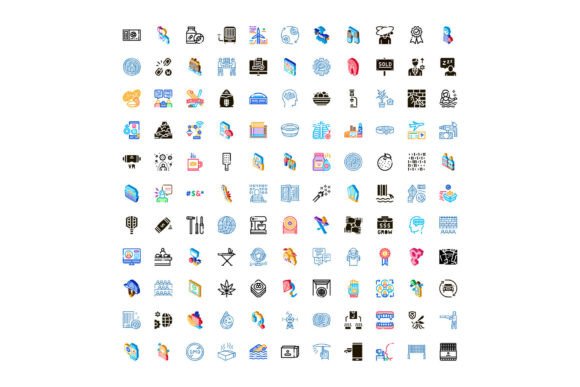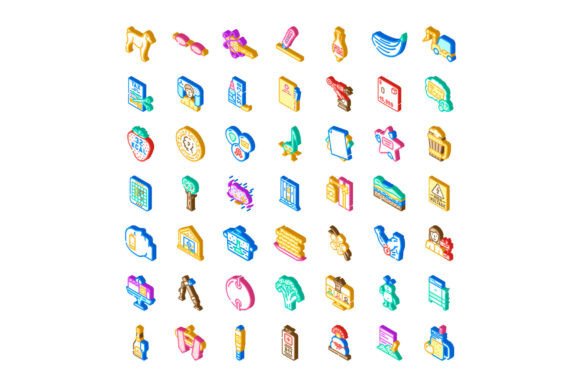
Variety of Isometric Icons for Modern Design
What Are Isometric Icons and Why They Matter
Isometric icons are a type of 3D-styled graphic that presents objects from a fixed angle, giving depth without perspective distortion. These icons are widely used in web design, mobile apps, and infographics to convey complex ideas in a visually appealing and easy-to-understand way. A variety of isometric icons representing different themes—such as business, education, healthcare, technology, nature, food, and lifestyle—can significantly enhance the visual storytelling of any digital project.
Unlike flat icons, isometric icons offer a more dimensional look while maintaining a consistent visual style. This makes them ideal for interfaces that require clarity and engagement without overwhelming the user. Whether you're designing a dashboard, a presentation, or an educational app, these icons can help communicate your message more effectively.
Why Different Audiences Care About Isometric Icons
For beginners, isometric icons provide a more engaging way to present information without needing advanced design skills. Many design tools and icon libraries offer drag-and-drop functionality, allowing even those with minimal experience to create polished visuals. The visual richness of isometric icons also makes them easier to understand at a glance, which is especially helpful for those who are just starting out in design or content creation.
Professionals and designers appreciate isometric icons for their scalability and adaptability. They can be used across a range of platforms and screen sizes without losing clarity. This flexibility is crucial when working on projects that need to maintain a consistent visual identity across multiple touchpoints, such as websites, mobile apps, or printed materials.
Educators and content creators find isometric icons useful for breaking down complex subjects into digestible visuals. For example, an online course about environmental science might use isometric icons to represent different ecosystems, making the material more engaging and easier to grasp. Similarly, a presentation on business strategy can use isometric icons to illustrate different departments or processes in a company.
How Different Users Evaluate and Use Isometric Icons
When it comes to evaluating a collection of colorful isometric symbols illustrating various themes, users have different priorities based on their experience level and goals. Let's explore how different groups might approach this type of design asset:
- Beginners often prioritize ease of use and availability of templates. They may look for icon sets that are compatible with tools like Canva, Figma, or PowerPoint, where they can easily drag and drop icons into their projects.
- Freelancers and small business owners might focus on cost and commercial usability. They want icons that are affordable or available under flexible licensing, so they can be used in client projects without legal concerns.
- Experienced designers care about customization options and scalability. Vector-based icons (like SVGs) are preferred because they can be resized and recolored without losing quality. High-quality icon sets often come with multiple variations and styles, which allows for more creative freedom.
- Educators and nonprofits may look for icons that are inclusive and culturally sensitive. A diverse set of icons that represent different people, places, and concepts helps ensure that educational or outreach materials are accessible and relatable to a wide audience.
- Entrepreneurs and marketers value icons that can enhance brand storytelling. A well-designed icon can make a landing page more engaging, improve user experience, and even increase conversion rates by making information easier to process.
Practical Examples Across Use Cases
Let’s look at how different professionals might apply a variety of isometric icons representing business, education, and healthcare:
- Web Designer: A freelance web designer working on a portfolio site for a tech startup might use isometric icons to visually represent different services—like cloud computing, cybersecurity, and AI. These icons help break up text-heavy sections and make the site more interactive.
- School Teacher: A middle school teacher creating a lesson plan on renewable energy could use isometric icons of wind turbines, solar panels, and hydroelectric dams. These visuals help students visualize abstract concepts and retain information more effectively.
- Healthcare App Developer: When designing a mobile app for patient education, isometric icons can illustrate different medical procedures, symptoms, or wellness tips. For example, an icon of a person stretching can represent a fitness routine, while an icon of a stethoscope can symbolize a checkup reminder.
- Startup Founder: A founder pitching to investors might use isometric icons in their slide deck to show different aspects of their business model—such as customer acquisition, revenue streams, and partnerships. These icons help simplify complex diagrams and keep the audience engaged.
- Blogger or Influencer: A lifestyle blogger might use isometric icons to categorize different types of posts—like travel, food, fitness, and fashion. This makes the blog’s navigation more intuitive and visually appealing.
Matching Your Needs to the Right Icon Set
Choosing the right set of isometric icons depends on your specific needs, skill level, and the nature of your project. Here are some key considerations:
- Learning Value: If you're just starting out, look for icon sets that come with tutorials or templates. This can help you learn how to incorporate isometric design into your work while building your skills.
- Commercial Use: Always check the licensing terms. Some icon sets are free for personal use but require a paid license for commercial projects. Make sure the icons you choose align with your usage rights.
- Customization: If you need to match a specific brand color palette or style, choose icons in vector format. These can be easily edited in tools like Adobe Illustrator or Figma.
- Consistency: A well-designed icon set should maintain a uniform style across all icons. This includes consistent line thickness, color palette, and shadow effects, which help maintain a professional look.
- Long-Term Use: Consider whether the icon set will remain relevant as your project evolves. A versatile collection that covers a wide range of topics is more likely to serve your needs over time.
Ultimately, the variety of isometric icons representing different themes and industries can be a powerful tool for anyone involved in digital design, education, marketing, or communication. Whether you're building a website, creating a presentation, or developing educational content, these icons can help you convey your message more clearly and creatively.
By understanding your specific needs and how different icon sets can meet them, you can make a more informed decision that enhances both the visual appeal and effectiveness of your work.