Collection of Business Technology and Li: Enhancing Digital Communication Through Iconography
Understanding the Role of Vector Icons in Modern Design
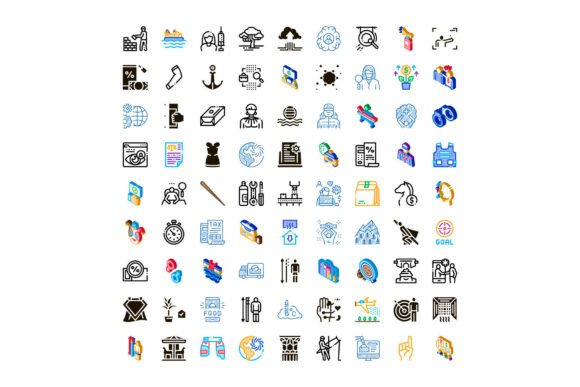
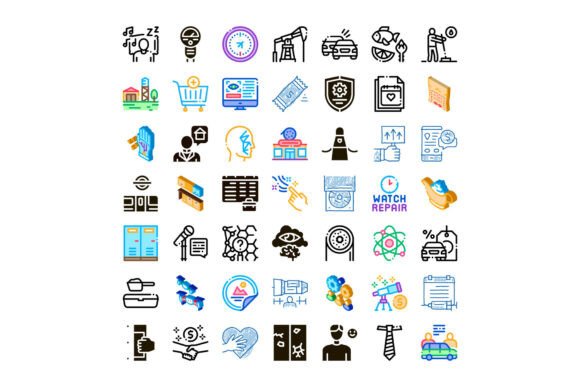
In today's visually driven digital landscape, the use of vector icons has become essential for conveying complex ideas quickly and effectively. The Collection of Business Technology and Li offers a comprehensive set of icons that span a wide array of themes including technology, business, lifestyle, and abstract concepts. These icons are not only visually appealing but also functionally versatile, making them ideal for web design, mobile applications, presentations, and infographics.
Vector icons, unlike raster images, maintain their clarity at any size, ensuring that visual content remains sharp and professional across all devices and screen resolutions. This scalability is particularly important in responsive design, where content must adapt seamlessly to various platforms. The Collection of Business Technology and Li provides both monochrome and colorful variants, allowing designers to choose the style that best fits their project's aesthetic and communicative goals.
Applications Across Industries and Platforms
The versatility of the Collection of Business Technology and Li makes it a valuable asset across multiple industries. From startups to large enterprises, educators to developers, these icons serve as a universal visual language that enhances user experience and information delivery.
- Web Design: Icons help guide users through websites by visually representing navigation elements, features, and calls to action. The Collection of Business Technology and Li includes icons for menus, dashboards, settings, and more, streamlining the design process and improving usability.
- Mobile Applications: App interfaces benefit from clear, intuitive icons that convey functionality without relying on text. Whether it's a finance app needing currency symbols or a productivity tool requiring calendar and task visuals, this collection offers relevant and consistent icon sets.
- Infographics and Presentations: Data visualization is made more engaging with the use of icons that represent abstract ideas or categories. For example, a presentation on digital marketing might use icons related to SEO, social media, and analytics to reinforce key points.
- Educational Materials: Teachers and instructional designers can use these icons to illustrate concepts in business studies, technology courses, or life skills training. Visual aids improve comprehension and retention, especially for diverse or multilingual audiences.
Design Characteristics That Set the Collection Apart
What makes the Collection of Business Technology and Li stand out in a crowded market of icon sets is its attention to design consistency, thematic breadth, and adaptability. Here are some of the key characteristics that define its value:
- Thematic Diversity: The collection spans multiple conceptual domains—technology, business operations, lifestyle elements, and abstract representations. This allows for a unified visual language across different types of projects without the need to source icons from multiple providers.
- Style Flexibility: With both monochrome and full-color options, designers can choose the visual tone that aligns with their brand identity. Monochrome icons are ideal for minimalist designs or when integrating with specific color schemes, while colorful icons add vibrancy and personality.
- Consistent Visual Language: All icons within the collection follow a unified design style, ensuring visual harmony when used together. This consistency is crucial for maintaining a professional appearance in applications and websites.
- Scalability and Compatibility: Being vector-based, these icons can be resized without loss of quality and are compatible with major design tools such as Adobe Illustrator, Figma, and Sketch. They can also be exported into common web formats like SVG and PNG.
Advantages of Using the Collection in Real-World Projects
Designers and developers who incorporate the Collection of Business Technology and Li into their workflows often cite several practical benefits that contribute to both efficiency and visual impact.
One major advantage is the time saved in the design process. Instead of creating icons from scratch or searching through multiple libraries, teams can access a cohesive set that meets a wide range of needs. This accelerates development cycles and ensures a more polished end product.
Additionally, the use of recognizable icons improves user interaction. For instance, a shopping cart icon is universally understood in e-commerce platforms, reducing the need for explanatory text and enhancing accessibility. Similarly, a gear icon intuitively signals settings or configuration options in software applications.
From a branding perspective, the ability to customize monochrome icons to match a brand’s color palette helps maintain visual identity across digital assets. This customization capability makes the collection not just a tool for functionality but also a strategic asset for brand consistency.
Considerations for Implementation
While the Collection of Business Technology and Li offers many benefits, there are several considerations to keep in mind when implementing these icons into a project:
- Licensing: Always verify the licensing terms associated with the icon set. Some collections may require attribution or have restrictions on commercial use. Ensuring compliance prevents legal issues down the line.
- Contextual Relevance: Not every icon will be appropriate for every context. It’s important to choose icons that clearly represent the function or concept they are meant to illustrate. Misuse of icons can lead to confusion rather than clarity.
- Accessibility: Consider how icons appear to users with visual impairments. Providing alt text or labels where necessary ensures that all users can understand the intended message, especially in web and app interfaces.
- Performance: While vector icons are scalable, they can sometimes increase page load times if not optimized properly. Using tools to compress SVG files or limiting the number of icons per page can help maintain performance standards.
Trends and Future Directions in Icon Design
As digital interfaces evolve, so too do the expectations around visual design. Current trends indicate a growing preference for minimalism, bold typography, and emotionally resonant visuals. The Collection of Business Technology and Li aligns well with these trends by offering clean, modern designs that can be adapted to both current and emerging styles.
Moreover, the rise of AI-driven design tools and dynamic UI frameworks is changing how icons are integrated into digital products. Icon collections that offer flexibility in customization and compatibility with design systems are likely to remain relevant. The Collection of Business Technology and Li supports this adaptability by being compatible with major design platforms and offering both scalable and editable formats.
Another emerging trend is the use of animated icons to enhance user engagement and feedback. While the current collection may focus on static icons, the underlying vector format makes it easy to adapt these visuals for motion design when needed. This positions the collection well for future expansions into more interactive design elements.
Conclusion
The Collection of Business Technology and Li represents a powerful toolkit for designers, developers, and communicators across industries. By combining aesthetic appeal with functional utility, this collection enhances digital experiences through clear, scalable, and contextually appropriate iconography. Whether used in a corporate dashboard, an educational app, or a lifestyle blog, these icons contribute to a more intuitive and visually engaging user experience.